About Us
The Problem
Northern Uganda including districts such as Gulu, Lamwo, Omoro, Nwoya, and Amuru continues to carry a heavy and measurable burden of war-related psychological disorders and unmet mental health needs. Community studies report persistently high rates of post-traumatic stress (PTSD) and depression, years after the conflict. One survey found PTSD prevalence in affected districts at roughly 11–12%, with multiple traumatic exposures common among respondents.
Recent regional research confirms that war-affected populations and adolescents continue to show elevated symptoms of PTSD and depression long after hostilities ceased, and that these mental health challenges are closely linked to poverty, food insecurity, and childhood trauma. These psychosocial burdens undermine schooling, livelihoods, and social cohesion across households and communities.
Nationally, mental health systems remain thinly resourced. Uganda’s Mental Health Atlas and Ministry of Health reporting document shortages of mental health professionals, limited community services outside hospitals, and weak referral pathways, which are especially acute in post-conflict northern districts. The Uganda Bureau of Statistics’ analyses highlight shifting estimates of disability prevalence, pointing to larger-than-official burdens and the urgent need for inclusive services.
The combined effects of unresolved trauma, limited services, poverty, and educational disruption have left thousands of children, youth, and adults in Northern Uganda with unaddressed mental health and learning needs. Stress Clinic Uganda was founded to fill this gap by delivering community-anchored, evidence-informed mental health, psychosocial, and learning support tailored to the unique post-conflict realities of the region.
Who we are
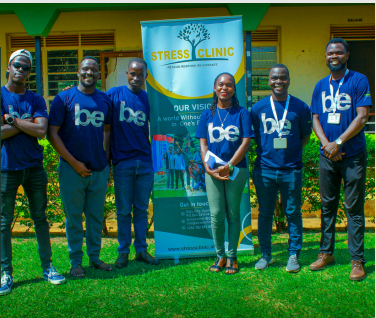
Stress Clinic Uganda is a youth-led mental health and community development organization restoring hope and dignity to marginalized individuals and post-conflict communities through holistic care, support, and empowerment.
We are dedicated to improving the quality of life of marginalized individuals and communities affected by civil war and extreme poverty. We provide mental health services, educational support,livelihoods programs, research, and advocacy to promote holistic well-being. Our strategies focus on rescuing, responding, and rejuvenating beneficiaries to help them lead fulfilling lives.
Our primary target population includes vulnerable children and youth, men and women with mental health conditions such as depression and PTSD, street children, orphans, widows, persons with disabilities, individuals struggling with addiction, refugees, post-civil war communities, and families living in extreme poverty.
Our Approach
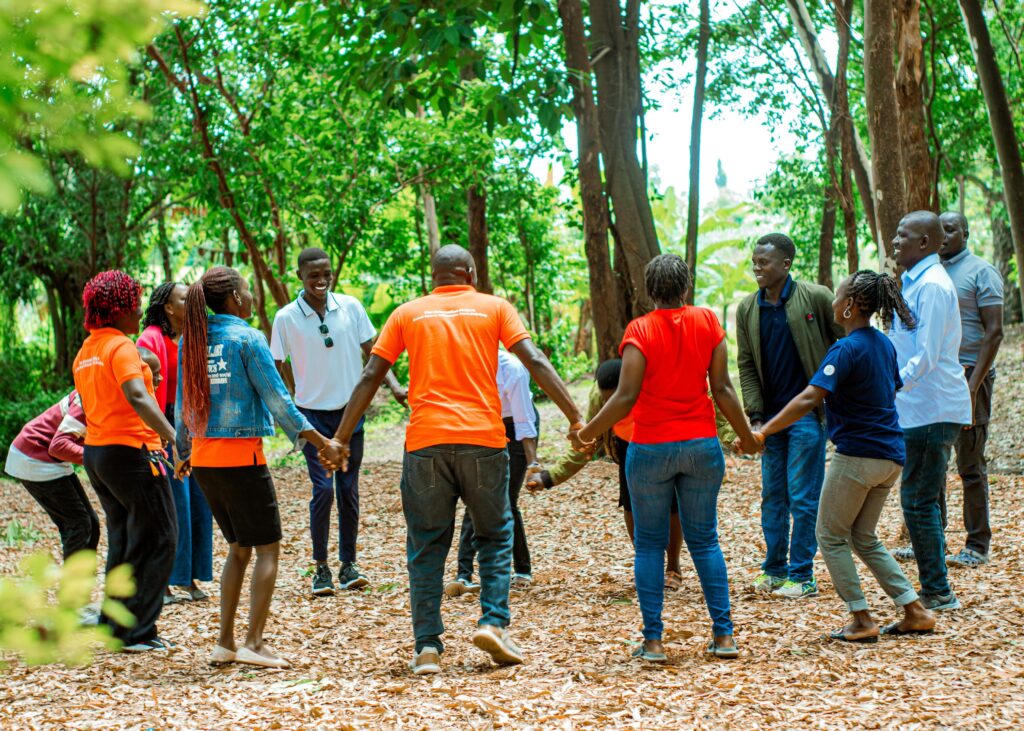
We implement a holistic, evidence-informed, and community-led approach to ensure sustainable long-term impact. Our programs are championed by local leaders and volunteers and guided by experienced professionals dedicated to creating safe, inclusive, and supportive environments where children, youth, adults, families, and communities can thrive.
Our primary target population includes vulnerable children and youth, men and women with mental health conditions such as depression and PTSD, street children, orphans, widows, persons with disabilities, individuals struggling with addiction, refugees, post-civil war communities, and families living in extreme poverty.
Our Mission
To provide community-led mental health care and holistic support to war-affected individuals and poverty-stricken communities through mental health programs, education, livelihoods, protection, research, and digital interventions.
We work alongside communities to heal trauma, strengthen resilience, and restore dignity. By combining professional mental health services with education, economic empowerment, and protection initiatives, we address both the psychological and social roots of vulnerability. Our approach is participatory, evidence-informed, and inclusive, ensuring that individuals and families are supported to recover, thrive, and build sustainable futures.
Our Vision
To create a world without limitation on one’s potential.
We envision communities where mental health is understood, supported, and prioritized, and where the effects of war, trauma, and poverty no longer define a person’s future. A world where every individual regardless of background or circumstance has the opportunity, support, and confidence to live with purpose, dignity, and hope.
Meet Our Team
Martin Opiyo
Executive Director
Chrispus Willy Akena
Partnership Coordinator
Norreen Megolonyo
Programs officer
Allan Odong
Programs officer
Eric Opiyo
Programs officer
Steven Okwera
Livelihood and Resilience
Aciro Lucy
Gender & inclusion Coordinator
Gloria Oryem
Project Lead- MindPower Youth Project
Mathew Ocan
Education and life skills Technal coordinator
Nancy Agenorwot
Mental health Programs
Tracy Adokober
Finance and administration
Olive Atim
Refugee and Emergency coordinator
Joseph Mic
Information Technology officer
Our Partners